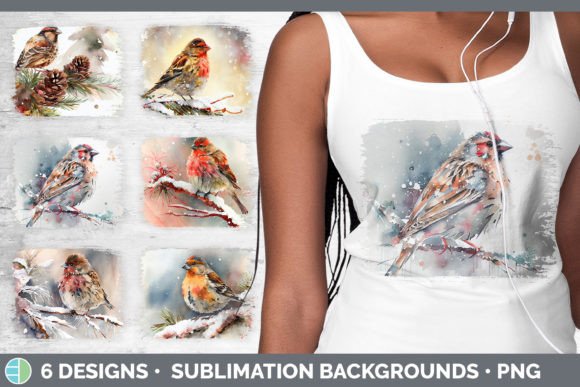
Review: Christmas Finch Distressed Sublimation B for Embroidery
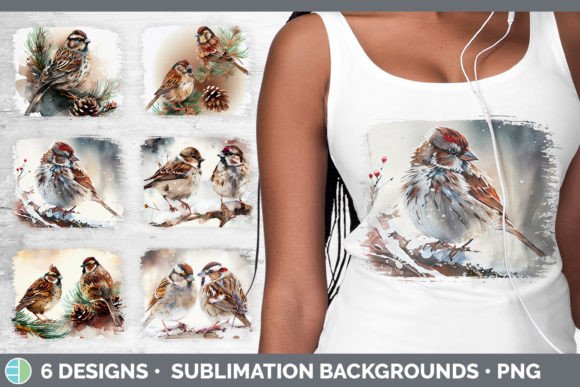
As a designer who spends more time at the hoop than away from it, I am always cautious when approaching files labeled as "sublimation" or "illustrations" with the intent of translating them into thread. There is a distinct language difference between ink on polyester and needle on fabric. When I first pulled up Christmas Finch Distressed Sublimation B, my immediate reaction was one of aesthetic appreciation followed quickly by technical scrutiny. This isn't just a pretty picture; it is a potential machine embroidery design candidate that requires a specific approach to yield a professional finished product.
The Visual Personality and Mood
The first thing that strikes you about Christmas Finch Distressed Sublimation B is its mood. It captures that specific, nostalgic feeling of a vintage holiday card found in an attic trunk. The "distressed" element is key here. In the world of Illustrations, distress often means noise, grain, or faded edges. For us as embroiderers, this translates to a challenge in stitch placement. The design feels organic and slightly worn, which is perfect for the current trend of rustic, farmhouse-style holiday decor. It avoids the shiny, overly perfect look of standard digital art, offering instead a texture that begs to be touched.
If you are looking to create a personalized gift that feels handmade rather than mass-produced, this visual personality is a goldmine. It suggests warmth and history. However, the layout and detail level require careful consideration. The distressed lines might look great on a screen, but if digitized poorly or stitched without thought, they can turn into a muddy mess of thread breaks and bird nests.
Real-World Application: The Holiday Tote Scenario
To truly evaluate Christmas Finch Distressed Sublimation B, I imagined a specific real-life scenario: preparing a run of custom tote bags for a local boutique's holiday market. These aren't cheap promotional bags; they are heavy canvas totes meant for carrying wine bottles and gifts. This is where the design shines. The rustic nature of the finch complements the natural texture of canvas beautifully.
In this context, the design would likely work best as an applique design or a mixed-media piece. Imagine stitching the outline of the finch using a subtle running stitch to mimic a sketch, then using a textured fabric for the body of the bird. The distressed elements of the original file could be interpreted through varied stitch density. Areas that appear faded in the illustration could be stitched with lower density fill stitch or even left as negative space, allowing the fabric color to peek through. This approach elevates the handmade product from a simple print to a tactile piece of art.
For a sweatshirt embroidery project, the stakes are slightly higher. A fleece or French terry cloth has a pile that can swallow fine details. If Christmas Finch Distressed Sublimation B relies heavily on tiny, fragmented lines to create its distressed look, those lines might get lost in the fuzz of a sweatshirt. In this case, I would recommend simplifying the underlay or opting for a denser satin stitch border to define the shape against the textured background. The goal is to maintain the vintage vibe without sacrificing clarity.
Technical Considerations and Fabric Constraints
While the artistic merit is high, we must discuss where this design demands caution. The "distressed" aesthetic often implies broken lines or very fine detailing. If you attempt to stitch this on a stretchy fabric like a thin cotton tee or a performance jersey without the proper stabilizer, you risk distortion. The fabric will pull, and those delicate distressed marks could warp, making the bird look misshapen.
Furthermore, consider the hoop size. If the design is intricate, cramming it into a small 4x4 hoop for a baby onesie might result in lost definition. Baby embroidery requires durability and softness; too many dense stitches in a small area can make the garment stiff and uncomfortable against sensitive skin. For smaller applications, I would advise checking if the design scales down well or if it needs to be simplified to its core shapes.
Dark fabrics present another challenge. Since this is originally a sublimation-style graphic, it likely relies on light colors popping against a white or light background. If you are stitching this onto a navy velvet pillow cover or a black apron, you need to ensure your thread colors have enough contrast. You may need to adjust the color palette of the embroidery file manually, swapping out pale yellows for creams or golds to ensure the finch doesn't disappear into the dark material.
Curved Surfaces and Structural Integrity
Applying Christmas Finch Distressed Sublimation B to curved surfaces, such as a structured cap or a rounded mug cozy, requires advanced hooping techniques. The distressed lines, if they run perpendicular to the curve, might pucker. For caps, I generally recommend designs with strong, continuous outlines rather than fragmented, scratchy textures. If you proceed with a cap, use a stiff backing stabilizer and perhaps consider turning the distressed elements into a deliberate textural choice using specialty threads like matte or variegated rayon.
Impact on Brand and Customer Perception
For Etsy sellers and small shop product creators, the choice of design directly impacts brand consistency. Using a high-quality, thoughtful design like Christmas Finch Distressed Sublimation B signals to your customer that you care about aesthetics. It moves your custom apparel or home goods away from generic clipart territory. When a customer sees a design that looks intentional and stylish, their trust in your craftsmanship increases. This boosts the perceived value of the item, allowing you to price your holiday gifts or boutique merchandise more confidently.
In terms of commercial embroidery, versatility is king. This design fits seamlessly into nursery decor, kitchen textiles, and seasonal fashion. It has a timeless quality that doesn't scream a specific year, meaning products featuring this finch could potentially sell beyond just the immediate Christmas season, extending into general winter decor.
Practical Notes for the Professional Stitcher
Before you commit to a full production run, here are my non-negotiable steps for working with a file like this:
- Test on Scrap First: Never skip the stitch-out. Use the exact fabric you plan to sell on. See how the distressed lines actually render in thread.
- Check Thread Contrast: View your test stitch-out in black and white (or take a photo and desaturate it). Does the design hold its shape without color reliance?
- Review Stitch Density: Feel the back of the sample. Is it too stiff? If so, reduce the fill density in your editing software.
- Confirm Licensing: Since the source is labeled as a sublimation graphic, verify the license terms. Can you legally digitize it for sale as an embroidery file? Can you sell the physical stitched items commercially? Do not assume; check the documentation.
- Stabilizer Selection: Match the stabilizer to the fabric weight. A cut-away might be necessary for stretchy knits to prevent the distressed details from shifting over time.
- Mockup Verification: Create printable mockups or digital previews to show clients how the texture will look before they buy.
Ultimately, Christmas Finch Distressed Sublimation B is a compelling asset for the creative entrepreneur who understands how to bridge the gap between digital illustration and textile art. It offers a charming, vintage narrative that resonates with today's market. However, its success lies entirely in the execution. By respecting the limitations of thread and fabric, and by making smart adjustments to density and color, you can transform this graphic into a stunning embroidered patch, a cherished tote bag design, or a standout piece of holiday embroidery that customers will treasure for years.