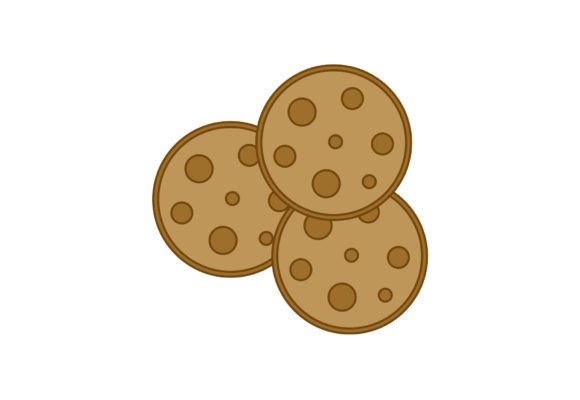
Cookie Snack Christmas Food Art Illustrations
As a brand designer who has spent years refining visual identities for small businesses and digital product creators, I approach every new graphic design asset with a critical eye. It is not enough for an image to be cute or festive; it must serve a strategic purpose within a broader marketing ecosystem. Recently, I had the opportunity to review Cookie Snack Christmas Food Art for a client launching a seasonal holiday campaign. The goal was simple: create a warm, inviting atmosphere that drives engagement without sacrificing professional polish. Here is my breakdown of how this asset performs in real-world branding scenarios.
First Impressions: Mood and Audience Perception
The immediate impact of Cookie Snack Christmas Food Art is one of cozy nostalgia. In the crowded landscape of holiday marketing, where red and green visuals compete for attention, this illustration stands out by focusing on texture and warmth. For brand owners, this is crucial. The mood it creates is approachable and handmade, which instantly lowers the psychological barrier for potential customers. It does not scream "corporate sale"; instead, it whispers "homegrown comfort."
This emotional tone is particularly effective for lifestyle content, handmade products, and food-based businesses. If you are targeting an audience that values authenticity over sleek minimalism, these Illustrations hit the mark. They feel suitable for casual branding and editorial graphics, offering a softness that rigid vector logos often lack. However, for premium luxury brands aiming for an exclusive, high-end feel, this asset might feel too playful unless paired with very sophisticated typography and ample white space.
Strategic Applications in Marketing Campaigns
When integrating Cookie Snack Christmas Food Art into a workflow, versatility is key. I tested this asset across several channels for a hypothetical bakery launch, and here is where it shines:
- Social Media Graphics: The detailed textures work beautifully on Instagram posts and Pinterest pins. Because the subject matter is inherently shareable, it boosts engagement rates when used as the focal point of a carousel or a standalone story graphic.
- Email Banners: In email marketing, visual hierarchy is everything. Using this illustration as a header image draws the eye immediately, allowing the copy below to focus on the offer rather than trying to explain the mood.
- Packaging Design and Product Labels: For small business branding, consistency is vital. This asset translates well to physical touchpoints. Imagine it printed on kraft paper stickers for cookie boxes or as a decorative element on holiday gift tags. It reinforces the brand identity at the unboxing moment.
- Digital Ads and Lead Magnets: When creating Facebook ads or downloadable guides, the friendly nature of the art increases click-through rates. It feels less like an advertisement and more like helpful, festive content.
For content creators building a design bundle or a Canva template kit, this type of clipart is invaluable. It allows users to drag and drop professional-quality visuals into their own layouts, saving hours of custom illustration time while maintaining a cohesive look.
Enhancing Visual Hierarchy and Brand Trust
A common mistake in content marketing is clutter. Marketers often throw too many elements onto a canvas, diluting the message. Cookie Snack Christmas Food Art helps combat this by providing a strong central anchor. When placed correctly, it establishes a clear visual hierarchy. The viewer’s eye lands on the delicious detail of the cookie, then moves naturally to the headline, and finally to the call-to-action button.
This clarity builds audience trust. When a brand presents clean, well-composed visuals, consumers subconsciously perceive the business as more reliable and professional. Whether you are using it for web design headers or editorial design in a blog post, the asset supports a narrative of quality. It transforms a standard promotional graphic into a piece of modern design that people actually want to look at.
Where to Use It—and Where to Pause
While versatile, this asset is not a universal fix. As a designer, I recommend using Cookie Snack Christmas Food Art primarily for hero graphics, campaign headers, and decorative brand elements. It works best when it has room to breathe. However, there are contexts where caution is required:
- Dense Information Layouts: Avoid placing this illustration behind blocks of small text. The intricate details can compete with readability, causing eye strain for the user.
- Formal Corporate Branding: If your brand voice is strictly serious, financial, or industrial, this whimsical food art may create cognitive dissonance. It fits best with lifestyle, food, retail, and creative industries.
- Small Mobile Graphics: On tiny screens, complex details can get lost. Ensure you are using a high-resolution PNG design or scalable SVG design so the edges remain crisp, but consider simplifying the surrounding layout to let the image pop.
- Low-Contrast Backgrounds: Be mindful of color pairing. Placing warm-toned cookies against a similar beige or light brown background can make the asset disappear. Always test contrast to ensure the subject stands out.
Practical Designer Notes for Implementation
Before you deploy Cookie Snack Christmas Food Art in a paid campaign or client project, run through this checklist to ensure professional branding standards are met:
First, test it with your brand color palette. Does the warm brown of the cookie clash with your primary blue? Adjust saturation or add a border to create separation. Second, check black and white usage. If you plan to print this on monochrome receipts or newspapers, ensure the lines hold up without color dependency.
Third, preview it on mobile screens. What looks balanced on a desktop monitor might feel cramped on a smartphone. Zoom out to 50% to simulate a quick scroll experience. Fourth, review spacing and balance. Give the illustration breathing room. Do not crowd it with other icons or heavy borders.
Finally, and most importantly, confirm commercial licensing. Whether you are buying from a creative marketplace or downloading a freebie, ensure you have the right to use the asset in commercial design projects. Using unlicensed assets in digital ads or product labels can lead to severe legal issues for small business owners and agencies alike.
Final Verdict for Content Creators
In conclusion, Cookie Snack Christmas Food Art is a robust tool for anyone looking to inject warmth and personality into their holiday marketing. It bridges the gap between amateur doodles and expensive custom commissions. For small business branding, it offers a cost-effective way to elevate marketing visuals and create memorable campaign assets. By respecting its limitations and leveraging its strengths in social media, packaging, and digital ads, you can create a cohesive, engaging visual story that resonates with your audience. Remember, great design is not just about aesthetics; it is about communication. This asset communicates comfort, joy, and quality—values that drive sales during the festive season.