Gold Ribbon Sparkle Christmas Tree: A Designer’s Review
As an embroidery designer who has spent countless hours digitizing, testing, and critiquing machine embroidery designs, I approach every new file with a mix of curiosity and skepticism. We have all been there: you download a design that looks stunning in the preview image, only to find it turns into a bird’s nest of thread breaks and puckering on actual fabric. That is why I took a close look at the Gold Ribbon Sparkle Christmas Tree to see if it holds up under the needle. This isn’t just about aesthetics; it is about functionality, stitch quality, and how this piece fits into a real-world craft business or holiday gift lineup.
First Impressions: Mood and Visual Personality
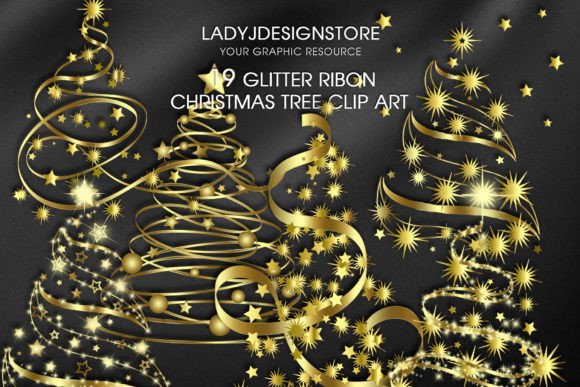
The first thing that strikes me about the Gold Ribbon Sparkle Christmas Tree is its elegant simplicity. In a market saturated with overly complex, dense holiday motifs, this design breathes. It falls squarely into the category of Illustrations that prioritize clean lines and visual impact over excessive detail. The concept of a tree formed by flowing ribbons suggests movement and luxury, which translates beautifully into thread work if handled correctly.
The mood is sophisticated yet festive. It does not scream "cheap holiday decor"; instead, it whispers "boutique handmade." For designers and Etsy sellers, this distinction is crucial. Customers are increasingly looking for handmade products that feel elevated and modern. This design’s layout offers a balanced composition that works well as a central focal point without overwhelming the garment or item it adorns. The visual personality is warm and inviting, making it an excellent candidate for holiday embroidery projects that need to appeal to a broad audience, from young families to corporate gift buyers.
Real-World Application: From Digital File to Finished Product
To truly evaluate a machine embroidery design, you have to imagine it stitched out. I visualized using the Gold Ribbon Sparkle Christmas Tree on a few specific items to test its versatility. My primary test case was a high-quality cotton tote bag. Tote bags are a staple for small shop owners, and they require designs that are durable and visually clear from a distance.
On a natural canvas tote, the ribbon effect of the tree would pop beautifully, especially if stitched in metallic or high-sheen rayon threads. The flow of the ribbons allows for creative color blocking. You could use a single gold thread for a monochromatic look or blend greens and reds for a traditional feel. Because the design relies on shape rather than tiny, intricate details, it remains legible even on textured fabrics like canvas or linen. This makes it a strong contender for tote bag design collections where durability and clarity are key.
Another ideal application is sweatshirt embroidery. Holiday sweatshirts are a massive market segment. However, fleece and heavy cotton blends can be tricky. The Gold Ribbon Sparkle Christmas Tree appears to have a structure that would sit well on these thicker materials. The ribbon elements likely utilize a combination of satin stitch for the edges and fill stitch for the body, which provides enough coverage to prevent the dark fabric from showing through while maintaining flexibility. A stiff, overly dense design would make a sweatshirt uncomfortable to wear, but this design’s open, flowing nature suggests it would remain soft against the skin.
Technical Considerations and Stitch Performance
When reviewing any digital embroidery file, I always look for potential pitfalls. Where might this design fail? The answer usually lies in the details. The "sparkle" element mentioned in the title implies small, reflective accents. In embroidery, these are often achieved through short satin stitches or specialized metallic threads. If you are using standard polyester thread, you may need to adjust your tension to ensure these small details do not bunch up.
Stitch density is another critical factor. If the ribbon overlaps are too dense, you risk creating a hard, cardboard-like patch on your fabric. For best results, I recommend checking the stitch count and density settings in your embroidery software before loading the file onto your machine. If the design allows, consider using a lightweight cut-away stabilizer for stretchy fabrics like t-shirts or baby clothes. For woven fabrics like aprons or pillow covers, a tear-away stabilizer might suffice, but always test on scrap fabric first.
One area to watch is the curvature of the ribbons. Sharp turns in satin stitches can lead to thread breaks if the angle is too acute. A well-digitized version of the Gold Ribbon Sparkle Christmas Tree should have split stitches or underlay stitching to support these curves. If you notice pulling or gaps in your test stitch-out, you may need to add additional underlay or reduce the stitch length in those specific areas.
Fabric and Hoop Constraints
Not every project is a perfect match for every design. While this tree is versatile, there are situations where you should proceed with caution. For instance, using this on a curved surface like a cap requires careful hooping. The width of the tree needs to fit within your cap frame without distortion. If the design is too wide, the ribbons may warp, losing their elegant flow.
Similarly, be mindful of thin fabric like silk or lightweight chiffon. The weight of the thread, especially if using metallics for the "gold" effect, can cause puckering. In such cases, using a water-soluble topping can help keep the stitches flat and prevent the needle from pushing the fabric down into the throat plate. For baby embroidery items, ensure that the back of the stitching is clean and free of scratchy knots or excess stabilizer, as sensitive skin requires extra comfort.
Commercial Value and Brand Consistency
For craft business owners and commercial embroidery professionals, the value of a design lies in its ability to sell. The Gold Ribbon Sparkle Christmas Tree has high commercial potential because it is timeless. Unlike trendy memes or specific year-based designs, a ribbon tree is classic. It can be sold year after year, providing a better return on investment for your design assets.
Using this design in your printable mockup previews can significantly boost buyer engagement. The clean lines photograph well, allowing you to create professional-looking listings for your small shop product lines. Whether you are selling custom apparel, embroidered patches, or home decor, the professionalism of the design reflects on your brand. It signals to customers that you care about quality and aesthetic coherence.
Practical Designer Notes for Best Results
- Test on Scrap Fabric: Always run a test stitch-out on the same type of fabric you plan to use for the final product. This helps you identify tension issues early.
- Check Thread Contrast: Ensure your thread colors contrast sufficiently with the fabric. Gold thread on white fabric may get lost; consider using a darker background or adding a subtle outline.
- Review Stitch Density: If the design feels too stiff, check if you can reduce the fill density in your software without compromising coverage.
- Confirm Hoop Size: Measure the design dimensions against your hoop size to ensure it fits comfortably with room for stabilization.
- Inspect Small Details: Zoom in on the "sparkle" elements. If they are too small for your needle size, consider simplifying them or using a finer needle.
- Licensing Check: Before selling finished items or digital products, confirm the license terms. Ensure you have the right to use the design for commercial embroidery purposes.
In conclusion, the Gold Ribbon Sparkle Christmas Tree is a solid addition to any holiday design library. It balances artistic flair with practical stitchability, making it suitable for a wide range of applications from personalized gifts to boutique merchandise. By paying attention to fabric choice, stabilization, and thread selection, you can transform this embroidery file into a standout finished product that delights customers and enhances your brand’s reputation for quality.