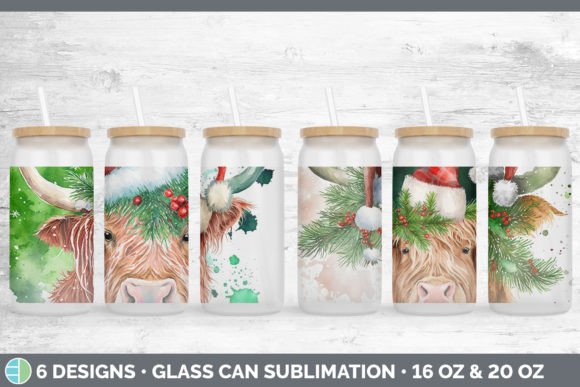
Reviewing the Christmas Highland Cow Glass Can Subli Design
As a designer who has spent countless hours digitizing and stitching out holiday motifs, I approach every new machine embroidery design with a mix of curiosity and skepticism. We have all been there: you download a cute graphic, load it onto your machine, and hope for the best, only to find that the stitch density is too high for the fabric or the details get lost in the pile of a towel. That is why when I first looked at the Christmas Highland Cow Glass Can Subli, I wasn’t just looking at a pretty picture. I was evaluating it as a practical asset for real-world production.
This piece falls under the category of Illustrations, which immediately tells me that visual appeal is the primary driver. However, for those of us running a craft business or selling on Etsy, visual appeal must translate into stitchability. Here is my honest assessment of how this design performs when moved from the screen to the hoop.
First Impressions and Visual Personality
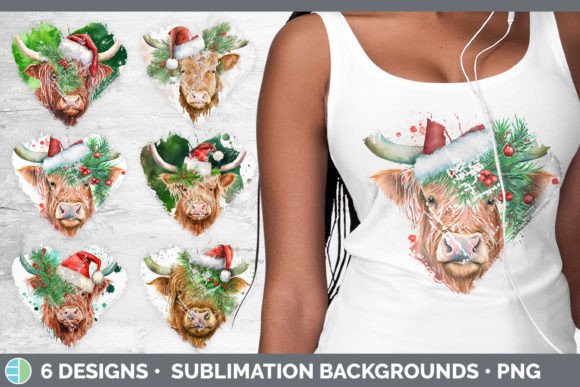
The immediate mood of the Christmas Highland Cow Glass Can Subli is whimsical yet cozy. Highland cows have become a staple in modern rustic decor, and pairing one with a holiday theme creates an instant emotional connection with buyers. The layout appears balanced, avoiding the clutter that often plagues seasonal designs. For an embroidery project, this clarity is crucial. If a design is too busy, the needle work becomes muddy, especially on textured fabrics.
From a designer’s perspective, the charm lies in the simplicity. It does not try to do too much. This makes it versatile. It feels like it belongs on items that are meant to be touched and used, rather than just displayed. Whether you are creating a personalized gift for a neighbor or stocking your small shop product line, the friendly aesthetic of this cow invites engagement. It is not aggressive; it is welcoming. This is a key trait for successful holiday embroidery because it appeals to a broad demographic, from young families to older collectors of rustic decor.
Real-World Application: The Tote Bag Test
To truly understand the value of an embroidery file, you have to imagine it on a specific product. Let’s consider a common scenario: preparing a custom embroidered tote bag for a holiday market. Tote bags are usually made of canvas or heavy cotton, which can be tricky due to their weave.
If I were using the Christmas Highland Cow Glass Can Subli for a tote bag design, I would be looking closely at how the lines interact with the fabric texture. A design that relies heavily on fine running stitch details might disappear into the grain of a coarse canvas. However, if this illustration utilizes broader shapes and solid fills, it will pop beautifully against the neutral background of a natural cotton bag. The contrast between the thread colors and the fabric is where the magic happens. I would recommend testing this on a scrap piece of your intended bag material first. Check if the stitch density causes any puckering. Canvas is sturdy, but too many stitches in one area can still distort the handle attachment points if placed incorrectly.
Beyond tote bags, think about sweatshirt embroidery. A fleece or cotton blend sweatshirt provides a soft, plush background. Here, the design needs to stand out without sinking into the nap of the fabric. If the Christmas Highland Cow Glass Can Subli uses adequate fill stitch coverage, it will sit on top of the fleece nicely, creating a raised, tactile effect that customers love. This adds perceived value to the finished product, allowing you to charge a premium for your custom apparel.
Navigating Fabric and Hoop Constraints
Not every surface is created equal. While this design might look fantastic on a flat pillow cover, you need to exercise caution with curved surfaces like caps. Embroidering on a cap requires a different approach than flat goods. The curvature can distort the image if the design is too wide or if the stabilization is insufficient. If you plan to use this for an embroidered patch or a hat, ensure you check the maximum width against your cap frame capabilities.
Similarly, consider the fabric type. Thin or stretchy fabrics, such as those used in baby embroidery projects like onesies, require careful handling. High stitch density can cause gathering or discomfort against sensitive skin. If the Christmas Highland Cow Glass Can Subli is dense, you might need to use a cut-away stabilizer to support the stitches without adding bulk. For dark fabrics, thread color choice becomes critical. You cannot rely on subtle shading if the background is black or navy. You may need to adjust the thread palette to ensure the highland cow’s features remain distinct. Testing the design in a black-and-white mockup can help you visualize contrast issues before you thread up the machine.
Commercial Viability and Brand Consistency
For Etsy sellers and creative entrepreneurs, consistency is key to building trust. Using high-quality design assets like this helps maintain a professional look across your store. When a customer sees a clean, well-stitched design, they associate that quality with your brand. The Christmas Highland Cow Glass Can Subli fits well into a boutique branding strategy that focuses on warmth, tradition, and handmade charm.
However, commercial use comes with responsibilities. Before listing any commercial embroidery items, you must confirm the licensing terms of the digital file. Can you sell the finished physical item? Can you use the image in your printable mockup for online listings? These are not questions to guess at. Always read the license agreement provided with the digital embroidery file. Protecting your business means respecting intellectual property rights, which also ensures that you can continue to access high-quality designs from creators in the future.
Practical Designer Notes for Best Results
To get the most out of this design, follow these practical steps:
- Test on Scrap Fabric: Never stitch directly on your final garment. Use a similar fabric scrap to check tension and registration.
- Check Thread Contrast: Ensure your thread colors stand out against the fabric. High contrast improves visibility and detail.
- Review Stitch Density: If the design feels stiff after stitching, consider reducing density in your software if allowed, or choose a lighter fabric.
- Confirm Hoop Size: Make sure the design fits comfortably within your hoop, leaving enough margin for stabilization.
- Use Proper Stabilizer: Match the stabilizer to the fabric. Cut-away for knits, tear-away for wovens, and wash-away for delicate items.
- Inspect Small Details: Zoom in on the digital file. Are there tiny elements that might break or bunch up? Simplify if necessary.
In conclusion, the Christmas Highland Cow Glass Can Subli offers a charming aesthetic that aligns well with current trends in handmade goods. Its success in your embroidery project will depend largely on your preparation and understanding of materials. By treating it not just as an image, but as a structural element of your product, you can create items that are both beautiful and durable. Whether for a wedding gift, a holiday sale, or a personal keepsake, this design has the potential to delight when handled with care and professional insight.