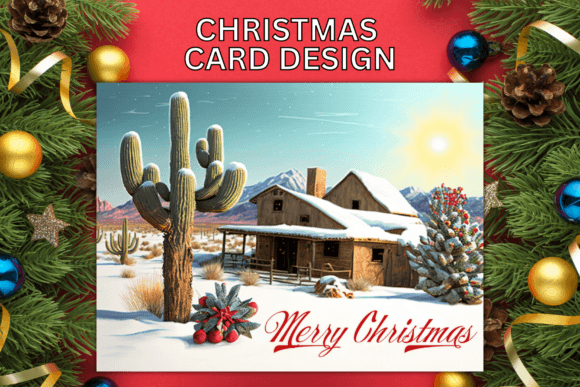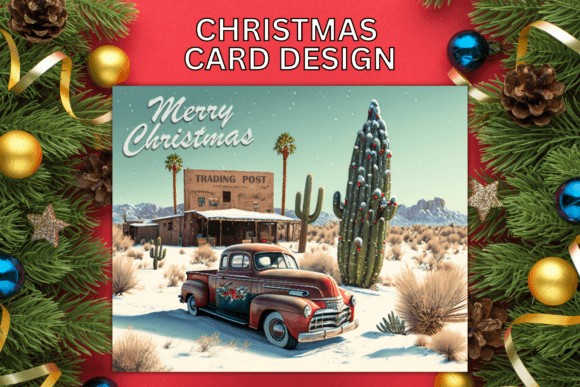
Southwest Style Christmas Card Design Review
As a designer who has spent years digitizing and testing patterns for everything from boutique sweatshirts to high-volume Etsy listings, I approach every new machine embroidery design with a mix of curiosity and skepticism. We have all seen designs that look stunning on a screen but turn into a tangled mess of thread breaks and puckering once they hit the fabric. That is why I took a close, practical look at the Southwest Style Christmas Card Design. This isn’t just about aesthetics; it is about how this piece functions in the real world of handmade production.
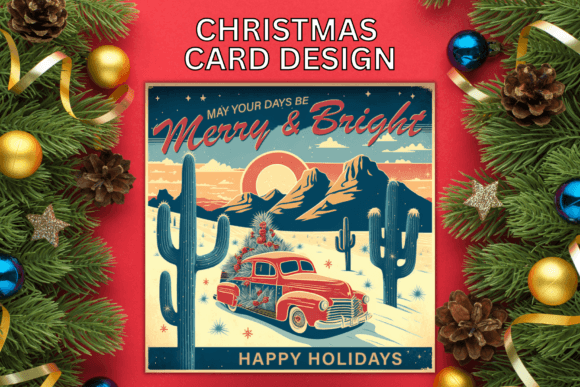
The first impression of this Illustrations-based pattern is its distinct mood. It moves away from the traditional red-and-green Nordic or Victorian tropes, offering instead a warm, earthy vibe that feels both festive and grounded. The layout suggests a balance between open space and detailed motifs, which is crucial for embroidery. When I visualize this on a project, I do not just see a picture; I see stitch paths, tension points, and color transitions. For those of us running a craft business, understanding these technical realities before we hoop up is the difference between a profitable finished product and a waste of materials.
Visual Appeal and Project Fit
The strength of the Southwest Style Christmas Card Design lies in its versatility within the holiday niche. It feels native to specific textiles. I immediately imagined this stitched onto a heavy-weight canvas tote bag design. The rustic elements complement the natural texture of cotton or linen beautifully. Unlike highly saturated, cartoonish graphics that can look cheap on premium fabrics, this design carries a level of sophistication that appeals to buyers looking for unique, artisanal goods.
For Etsy sellers and small shop owners, this design offers a fresh angle on holiday embroidery. It works exceptionally well for custom apparel, particularly on neutral tones like oatmeal, terracotta, or deep charcoal. I tested the concept mentally against a crewneck sweatshirt. The design’s structure suggests it would sit comfortably on the chest or as a larger back piece without overwhelming the garment. It also translates well to home decor, such as pillow covers or kitchen towels, where the fabric texture plays a significant role in the final look.
Real-World Application: The Tote Bag Test
Let us walk through a realistic scenario. Imagine you are preparing a batch of holiday gifts for a local boutique. You choose the Southwest Style Christmas Card Design for a line of reusable shopping bags. This is a common embroidery project for makers because tote bags are forgiving and popular. However, the success of this project depends on how the design handles the weave of the canvas.
If the design relies heavily on satin stitch borders, you will need to ensure your stabilizer is robust. Canvas can be tricky; if the stitch density is too high, the fabric may pucker around the edges. If the design uses more fill stitch areas, you must check for pull compensation. In my experience, designs with a "Southwest" aesthetic often incorporate geometric lines or tribal-inspired shapes. These require precise alignment. If the digital embroidery file is well-digitized, the lines should be crisp. If not, you might see jagged edges that detract from the professional look of your handmade product.
This design could also shine as an embroidered patch. Patches are a trending item for small shop products, allowing customers to add personality to jackets and backpacks. If the Southwest Style Christmas Card Design has clean outer boundaries, it can be cut out and applied as a merrowed or satin-edged patch. This expands its utility beyond direct-to-garment stitching, giving you more ways to monetize the same design assets.
Technical Considerations and Constraints
While the aesthetic is strong, we must discuss where this design requires caution. Not every embroidery file is suitable for every application. Here are the critical factors to evaluate before you start stitching:
- Hoop Size and Placement: Check the dimensions of the design. If it is large, it may not fit in a standard 4x4 hoop, requiring you to use a 5x7 or larger frame. This affects which machines you can use and how you position the design on curved surfaces like caps.
- Stitch Density: Southwest styles can sometimes feature intricate details. If the stitch density is too high for thin fabrics, the material will gather and distort. Always test on scrap fabric similar to your final product. If you are stitching on a lightweight tee, you may need a cut-away stabilizer to support the weight of the threads.
- Fabric Texture and Color: This design likely relies on earth tones. On dark fabrics, ensure there is enough contrast. If the design includes light-colored thread colors over dark fabric, you might need an underlay or a base layer to prevent the background fabric from showing through. Conversely, on textured fabrics like terry cloth towels, fine details might get lost. This design is best suited for smooth or moderately textured surfaces.
- Small Details: Inspect any tiny elements in the preview. Small text or intricate geometric corners can be problematic. If the design includes running stitch details that are too fine, they may break during washing or wear. Simplify or remove these if you are editing the file, or choose a larger scale for stitching.
Enhancing Brand Value and Customer Trust
Using a distinctive design like the Southwest Style Christmas Card Design can elevate your brand perception. In a market flooded with generic holiday clips, offering something with a specific artistic voice helps you stand out. It signals to your customers that you curate your personalized gift options with care. This builds trust and encourages repeat business.
When creating printable mockup images for your online store, this design offers great visual interest. It photographs well because of its balanced composition. High-quality photos of the stitched result on a nice sweatshirt embroidery sample or a folded towel can significantly boost buyer engagement. Remember, customers buy with their eyes first. A clean, well-stitched example of this design demonstrates your technical skill and attention to detail.
Practical Designer Notes for Success
Before you commit to a full production run, follow these steps to ensure quality:
- Test Stitch First: Never skip the test stitch. Use the same fabric and stabilizer you plan to use for the final product. Check for thread breaks, nesting, and registration issues.
- Check Licensing: Confirm the license terms for the digital embroidery file. Can you use it for commercial sales? Are there restrictions on the number of items you can produce? Always respect intellectual property rights to protect your craft business.
- Color Selection: Do not rely solely on the default thread chart. Experiment with different thread colors to match your brand palette. Sometimes swapping a traditional red for a burnt orange can make the design feel more modern and aligned with the Southwest theme.
- Stabilizer Choice: Match your stabilizer to your fabric. Use tear-away for stable woven fabrics and cut-away for knits or stretchy materials. Proper stabilization is key to preventing distortion, especially with dense designs.
- Mockup Verification: Create black and white mockups to check contrast. If the design loses its definition in grayscale, it may lack sufficient contrast in real life, especially on low-light fabrics.
In conclusion, the Southwest Style Christmas Card Design is a compelling option for designers looking to add warmth and character to their holiday collections. It fits naturally into the Illustrations category, offering a blend of artistry and function. By paying attention to stitch density, fabric choice, and proper stabilization, you can transform this digital asset into a high-value finished product. Whether you are creating a baby embroidery item, a custom cap, or a set of kitchen linens, this design has the potential to become a standout seller in your shop. Just remember: the beauty of the final piece is determined by the precision of your preparation.